
You can learn a lot about a workout environment in the first five minutes. If you are waiting on equipment, adjusting your plan around a crowd, or feeling self-conscious before you even start, the session is already working against you. That is exactly why this complete guide to private workouts matters. For many adults, better fitness results do not come from doing more. They come from training in a setting built for focus, comfort, and consistency.
Private workouts are not just for celebrities, athletes, or people with unlimited time. They are often the smartest option for busy professionals, beginners who want a more comfortable starting point, and anyone who values expert guidance without the noise of a commercial gym. When the training environment is designed around you, every minute has a purpose.
What private workouts actually mean
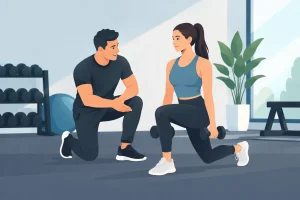
A private workout is more than having a trainer nearby. In a true private training setting, your session is built around your goals, your ability level, and your pace. You are not sharing attention with a class, competing for space, or trying to make a generic plan fit your body.
That distinction matters. Some facilities market personal training, but still place clients in open gym spaces with constant distractions. A real private workout experience gives you dedicated time, direct coaching, and a more controlled environment. That often leads to better technique, more honest communication, and stronger adherence over time.
For some clients, privacy is about comfort. They want to exercise without feeling watched. For others, it is about efficiency. They want to walk in, train hard, and leave without losing momentum. Both are valid, and both can dramatically improve consistency.
Why a complete guide to private workouts starts with the environment
Most people think results are all about motivation. In practice, environment plays a huge role. If the space makes training easier, cleaner, and more focused, you are more likely to keep showing up.
Private workouts reduce friction. There is less waiting, less noise, and fewer interruptions. That allows your trainer to coach details that often get missed in a crowded setting, such as breathing patterns, joint positioning, tempo, and exercise selection. Small corrections add up, especially if you are returning after time away from exercise or managing old injuries.
There is also a psychological benefit. Many people train better when they are not worried about what anyone else is doing. That lowers anxiety and helps clients stay present. A focused session tends to feel more productive, even when it is only 30 minutes.
Who benefits most from private training
Private workouts can serve almost anyone, but they are especially valuable for a few groups.
Beginners often make the fastest progress in a private setting because they can learn without pressure. Instead of guessing how machines work or copying other people, they receive direct instruction from the start. That builds confidence along with strength.
Busy professionals benefit because private sessions remove wasted time. You are not roaming the gym figuring out your next move. Every exercise is selected in advance, every minute is coached, and the session stays on track. For people with demanding schedules, that structure can be the difference between exercising consistently and not exercising at all.
Clients rebuilding after injury or long inactivity also tend to do well in private training. They need precision, not chaos. A coach can modify movements, manage intensity, and progress the program carefully based on how the body responds.
Experienced exercisers benefit too, especially if they have hit a plateau. A strong private coach can refine programming, tighten form, and push intensity in a way that is hard to replicate alone.
What to expect in a private workout session
A high-quality private workout starts before the first exercise. It begins with an assessment of your goals, training history, current limitations, and schedule. If that step is skipped, the plan is likely too generic.
From there, your program should reflect what you actually need. Fat loss, strength development, mobility, cardiovascular improvement, and general health all require different training emphasis. Good coaching takes those priorities and creates a plan that is challenging but realistic.
During the session, expect hands-on guidance, immediate feedback, and efficient transitions between exercises. The best trainers do not just count reps. They coach movement quality, monitor effort, and make adjustments in real time. Some days that means pushing harder. Other days it means pulling back, improving technique, or changing the workout based on how you feel.
Short sessions can be especially effective here. Thirty focused minutes with expert coaching often produce more than an hour of distracted training. Intensity, sequencing, and consistency matter more than dragging out the clock.
The biggest differences from a commercial gym
The most obvious difference is privacy, but that is not the only one. Commercial gyms are built for volume. A private training studio is built for attention.
That affects everything from coaching quality to the client experience. In a crowded gym, your trainer may be working around noise, foot traffic, unavailable equipment, and limited space. In a private environment, the session stays controlled. That allows for cleaner execution and a more professional experience from start to finish.
There is also a difference in accountability. In a private session, there is nowhere to hide from your own effort, but that is a good thing. You receive direct support, clear expectations, and progressions that are difficult to ignore. Many clients thrive when fitness becomes structured instead of optional.
Cost is the main trade-off. Private training is a premium service, and it should be. You are paying for individualized programming, professional oversight, and a more exclusive setting. For many people, the real question is not whether private workouts cost more than a gym membership. It is whether they produce better use of time and better long-term results.
How to choose the right private training program
Not all private workouts are equal. The right fit depends on coaching quality, environment, and how personalized the service really is.
Start by looking at whether the trainer asks smart questions. A serious coach wants to know your goals, injury history, schedule, stress level, and current routine. If the plan sounds identical for everyone, it is not truly personal training.
Next, evaluate the training environment. Cleanliness, equipment quality, and privacy all matter. So does whether the space feels focused and professional. A premium experience should reduce stress, not add to it.
It is also worth asking how progress is measured. Better workouts are not based on random soreness. They are based on improvements in strength, movement quality, endurance, body composition, or overall function. A strong trainer has a system for tracking results and adjusting your plan.
Finally, consider billing structure and flexibility. Many clients prefer session-based training over membership pressure. It feels clearer, more direct, and more aligned with results.
How nutrition and cardio fit into private workouts
A complete guide to private workouts would be incomplete without addressing what happens outside the session. Exercise matters, but results usually depend on more than the workout itself.
That does not mean every client needs a complicated meal plan or hours of extra cardio. It means your trainer should help you understand the habits that support your goal. For fat loss, that may involve calorie awareness, strength training, and strategic cardiovascular work. For strength or performance, it may involve recovery, protein intake, and energy management.
The best private coaching includes guidance that fits your life. If the plan is too rigid, most people will not sustain it. If it is too vague, progress stalls. Good coaching lives in the middle – structured enough to work, flexible enough to follow.
Why consistency usually beats intensity
Many people start fitness with urgency. They want to make up for lost time, train hard every day, and chase quick changes. That approach can work for a week or two. It rarely works for long.
Private workouts are effective because they support consistency. You have appointments, expert oversight, and a plan that evolves with you. That creates momentum. Results often come faster when the process feels manageable instead of overwhelming.
For clients in South Tampa looking for a more focused alternative to the typical gym model, UST Personal Training reflects what private coaching should be – individualized, efficient, and built around real accountability in a fully private setting.
The best workout plan is the one you can repeat, progress, and trust. When training feels personal, efficient, and professionally guided, fitness stops being another task you keep postponing. It becomes something you can finally build into your life with confidence.