A workout should not leave you guessing whether you used the right muscles, moved with good form, or spent your limited time well. Pilates training offers a more deliberate approach: controlled movement, precise alignment, and a focused way to build strength from the inside out. For busy adults, beginners, and anyone rebuilding confidence in exercise, that focus can make training feel productive rather than overwhelming.
Pilates is often associated with flexibility or low-intensity exercise, but well-coached Pilates can be much more demanding than it appears. It challenges the trunk, hips, shoulders, and legs to work together with control. The result is not simply a harder workout. It is a stronger foundation for the way you train, move, sit, lift, and live.
What Pilates Training Actually Builds
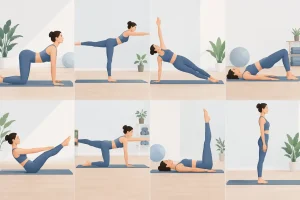
At its best, Pilates is not a collection of random exercises performed on a mat or reformer. It is a training method centered on posture, breathing, body awareness, mobility, stability, and strength. Each movement has a purpose. Rather than rushing through repetitions, you learn to create tension where it is needed and reduce compensation where it is not.
That distinction matters. Many people can complete a squat, plank, lunge, or overhead press while subtly shifting weight, holding tension in the neck, or relying on the lower back. Pilates asks you to slow down enough to notice those patterns. With the right coaching, you can improve your ability to stabilize the trunk, control pelvic position, organize the shoulders, and move the hips with greater freedom.
This does not mean every session must be slow or easy. Resistance can come from springs, bands, body weight, dumbbells, cables, or specialized Pilates equipment. Tempo, range of motion, balance demands, and exercise sequencing can all make a movement challenging. The goal is controlled effort, not simply exhaustion.
Core Strength Is More Than Ab Work
The word “core” is often reduced to visible abs. In practice, it includes the muscles that help support and control the spine, rib cage, pelvis, and hips. Effective core training is about maintaining position while the arms and legs move, breathing without losing control, and transferring force through the body efficiently.
That is why Pilates can be valuable for someone who already exercises regularly. A runner may need better hip and trunk control. A golfer may need more rotational control and shoulder mobility. A professional who spends long hours at a desk may benefit from improved postural endurance. The exercises should reflect the person, not a one-size-fits-all class format.
Who Benefits Most From Pilates Training?
Pilates can fit a wide range of fitness levels because the method is highly adaptable. A beginner can start with foundational breathing, alignment, and low-load strength work. An experienced exerciser can use more resistance, longer lever positions, unilateral exercises, and complex movement patterns that demand greater control.
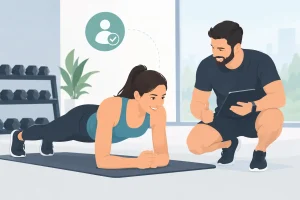
For people who feel uncomfortable in a crowded gym, the private setting is often just as valuable as the workout itself. Learning a new movement is easier when you are not competing for equipment, comparing yourself to others, or trying to follow an instructor from the back of a packed room. You can ask questions, take the time you need, and receive direct feedback without pressure.
Pilates can also be a smart option when returning to exercise after time away. That does not mean it is automatically appropriate for every injury or medical condition. Pain, recent surgery, neurological concerns, and significant limitations deserve input from the appropriate healthcare professional. But once exercise is appropriate, a skilled trainer can adjust range of motion, resistance, exercise selection, and pacing around your current capacity.
For many clients, the appeal is efficiency. You do not need a two-hour gym routine to make progress. A purposeful 30-minute session can include mobility work, core control, lower-body strength, upper-body stability, and conditioning elements when the program is designed around clear goals.
Private Coaching Makes the Difference
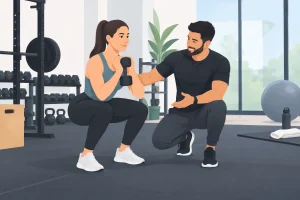
Pilates is detail-oriented. Small adjustments can change how an exercise feels and which muscles take on the work. A cue to keep the ribs positioned, press evenly through the feet, or move from the hip rather than the lower back may seem minor, but it can improve both comfort and training quality.
That is difficult to deliver consistently in a large group environment. Group classes can be energizing and cost-effective, and they may be a good fit for people who already understand the movements and enjoy a social workout. The trade-off is limited individual attention. An instructor has to manage the room, not build each exercise around your specific history, movement patterns, and goals.
Private Pilates coaching provides a different standard of care. Your trainer can observe how you move from the first exercise, modify the session in real time, and progress the program when you are ready. If one side is less stable, your shoulder feels restricted, or a certain movement does not serve you that day, the plan can change immediately.
At UST Personal Training, that work happens in a dedicated private room rather than on a busy gym floor. It is a clean, focused environment built for one-on-one coaching, where your session is about your progress, not the distractions around you.
Pilates and Traditional Strength Training Work Better Together
Pilates is powerful, but it does not have to carry the entire burden of a fitness program. If your primary goal is maximizing muscle size, heavy strength gains, or sport-specific power, progressive resistance training will likely need a central role. Squats, presses, pulls, hinges, loaded carries, and cardiovascular work all offer benefits that should not be ignored.
The strongest programs use Pilates strategically. It can improve body awareness and control that carry over to strength training. It can help prepare the hips, shoulders, and trunk for loaded movement. It can also provide a lower-impact training option on days when heavy lifting is not the right choice.
The right balance depends on your goal. Someone seeking better posture, mobility, and general strength may train primarily through Pilates-based sessions. Someone training for a demanding athletic event may use Pilates as a complement to a more traditional strength and conditioning plan. Neither approach is inherently better. The best approach is the one that matches your body, schedule, and desired outcome.
What a Smart First Session Looks Like
A quality Pilates session should begin before the first repetition. Your trainer should understand what you want from training, how active you are now, what movements feel difficult, and whether past injuries or discomfort affect your exercise choices. That conversation creates the context for a program that is safe, efficient, and personal.
From there, expect an assessment of how you move. This may include simple posture observations, squatting, reaching, balancing, breathing, or controlled trunk movement. It is not about passing or failing. It gives your trainer useful information about where to begin.
The workout itself may include mobility drills, core stability work, lower-body exercises, upper-body pulling or pressing, and a short conditioning finish. The exact format will vary. A beginner may spend more time learning positions and breathing mechanics. An experienced client may move through a more demanding circuit with resistance and a faster pace.
Progress should also be measurable. That might mean performing an exercise with more control, using greater resistance, moving through a larger comfortable range of motion, improving balance, or completing a session with better endurance. The scale can be one marker of progress, but it is not the only one and often not the most useful one.
How to Get More From Your Pilates Program
Consistency matters more than chasing a perfect workout. Two focused sessions each week can produce meaningful change when the programming is appropriate and you continue to move well between appointments. Walking, cardiovascular work, basic strength training, sleep, and nutrition all influence results.
Come prepared to communicate. Tell your trainer what feels good, what feels off, what you did earlier in the week, and what demands are coming up in your schedule. Good coaching is collaborative. Your feedback helps the program stay challenging without becoming careless.
It also helps to release the idea that every effective workout must leave you completely depleted. You should work hard, but you should also leave with a clearer sense of your body and confidence in what you can do. Better movement quality supports better training over the long term.
Pilates training is not about performing the most complicated exercise in the room. It is about building the control, strength, and confidence that make every other movement feel more capable. In a private, coached setting, that progress has room to become personal – and durable.