
A packed weight room can turn a healthy intention into another source of pressure. If you have ever delayed a workout because you did not want to be watched, wait for equipment, or figure out what to do in front of strangers, you may wonder: can private workouts reduce anxiety? For many people, the answer is yes – not because exercise removes every stressor, but because a private, well-coached setting eliminates barriers that make movement feel intimidating.
Private training gives you a quiet space, a clear plan, and one professional focused on your needs. That combination can make exercise feel less like a performance and more like reliable time set aside for your health.
Why Exercise Can Help With Anxiety
Regular physical activity can support mental well-being in several practical ways. A productive workout creates a physical outlet for built-up tension, raises your heart rate in a controlled setting, and can improve sleep quality over time. It also gives your day structure. When work, family, and responsibilities feel unpredictable, a scheduled training session is one appointment where you know exactly what is expected.
There is also a confidence component. Anxiety often encourages avoidance: skip the gym, postpone the walk, wait until you feel more prepared. Completing a session, even a brief one, provides evidence that you can follow through. That matters. Progress does not need to be dramatic to feel stabilizing.
Still, exercise is not a replacement for mental health care. Persistent anxiety, panic attacks, or symptoms that interfere with work, relationships, sleep, or daily life deserve attention from a qualified healthcare or mental health professional. Training can be a valuable part of a broader wellness plan, especially when the approach is realistic and supportive.
Can Private Workouts Reduce Anxiety More Than a Busy Gym?
They can, particularly for people whose anxiety is connected to the gym environment itself. Commercial gyms work well for some exercisers, but the crowds, noise, mirrors, unfamiliar equipment, and unpredictable waits can create friction before a workout even begins.
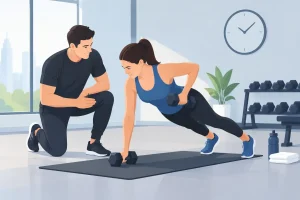
In a completely private training room, that friction changes. You are not competing for a bench, trying to follow an online routine while someone waits behind you, or worrying about whether you are doing an exercise incorrectly in public. The room is reserved for your appointment. Your trainer is there to coach, not to judge.
That privacy can be especially meaningful for beginners, adults returning to exercise after time away, and people rebuilding strength after an injury. It also benefits experienced exercisers who simply want a more focused environment. Privacy is not about hiding. It is about removing distractions so you can concentrate on the work in front of you.
Less Social Pressure, More Attention to Form
Many people feel anxious at the gym because they believe everyone is watching. In reality, most members are focused on themselves, but that knowledge does not always change how the environment feels. If self-consciousness is strong enough to keep you from training consistently, it becomes a real obstacle.
Private one-on-one coaching removes the audience. You can ask basic questions, take breaks, modify an exercise, or learn a new movement without feeling exposed. Your trainer can correct form early, adjust resistance, and explain the purpose behind each exercise. That level of attention builds competence, and competence is often one of the strongest answers to gym anxiety.
A Clear Plan Reduces Decision Fatigue
Anxiety can make small decisions feel larger than they are. What should I do first? How much weight should I use? Is this machine available? Am I doing enough? A generic gym membership gives you access, but it does not necessarily give you direction.
With private personal training, the session is designed before you arrive. Your trainer considers your goals, current fitness level, movement history, schedule, and energy level. You do not need to create a workout on the spot. You show up, receive professional guidance, and move through a plan built for you.
For busy professionals, this is also an efficiency advantage. A focused 30-minute session can be more useful than an hour spent wandering through a crowded gym without a plan. The goal is not to make training exhausting for its own sake. The goal is to make it productive enough that you can return consistently.
The Right Intensity Matters
More exercise is not always better when anxiety is high. Some people feel energized by challenging intervals or heavy strength work. Others may find intense effort uncomfortable because a racing heart, rapid breathing, or fatigue can resemble sensations associated with anxiety.
A skilled trainer does not force one approach on every client. They monitor how you respond and adjust the session accordingly. One day may call for strength training with longer rest periods. Another may be better suited to steady cardiovascular work, mobility, controlled resistance exercises, or a lower-intensity session that still reinforces the habit.
The most effective plan is one you can sustain. It should challenge you safely while leaving you feeling capable, not overwhelmed. If you are new to exercise or managing a medical condition, communicate openly with your trainer and healthcare provider about limitations, medications, and any symptoms that concern you.
How Private Coaching Creates a More Calming Routine
The mental benefit of private workouts often comes from the full experience, not one exercise. Appointment-based sessions create accountability without the pressure of a packed class. A clean, dedicated room limits distractions. Personalized programming prevents the all-or-nothing mindset that can cause people to quit when life gets busy.
At UST Personal Training, clients train one-on-one in dedicated private rooms with experienced coaches who tailor each session to the individual. That can be a major advantage if traditional gyms have made fitness feel uncomfortable or overly complicated. There are no membership crowds to navigate and no need to perform for anyone else.
A trainer can also help you define success in a healthier way. Instead of measuring every workout against calories burned or a perfect number on the scale, you can track meaningful indicators: improved strength, more comfortable movement, better cardiovascular endurance, consistent attendance, or the ability to handle a demanding day with more energy.
What to Look for in a Private Training Experience
Not every private workout will feel equally supportive. The trainer-client relationship matters. Look for a professional who listens before prescribing, explains why a movement is included, and welcomes feedback when an exercise or pace does not feel right.
The setting matters, too. A truly private space should be clean, organized, and equipped for varied training needs. You should not feel rushed through a generic routine or pressured into a long-term membership that does not fit your lifestyle. Flexible, session-based training can be a better fit when you want high-quality coaching without unnecessary commitments.
It is also reasonable to ask how sessions are adapted for beginners, past injuries, demanding schedules, or periods of higher stress. A premium training experience is personal by design. Your program should evolve as your fitness, confidence, and goals change.
Start With a Manageable Commitment
If anxiety has kept you from exercising, do not set the bar at five intense workouts a week. Start with one private session. Learn the space, meet the trainer, and focus on how you feel afterward. The first win may be as simple as realizing that you can exercise without feeling exposed or lost.
From there, consistency becomes easier to build. A short, structured appointment can become a dependable reset point in your week – time to move, breathe, improve your strength, and step away from the noise. The best workout environment is the one that helps you return with confidence.